


Cloud Run: Request-Based or Instance-Based Billing?
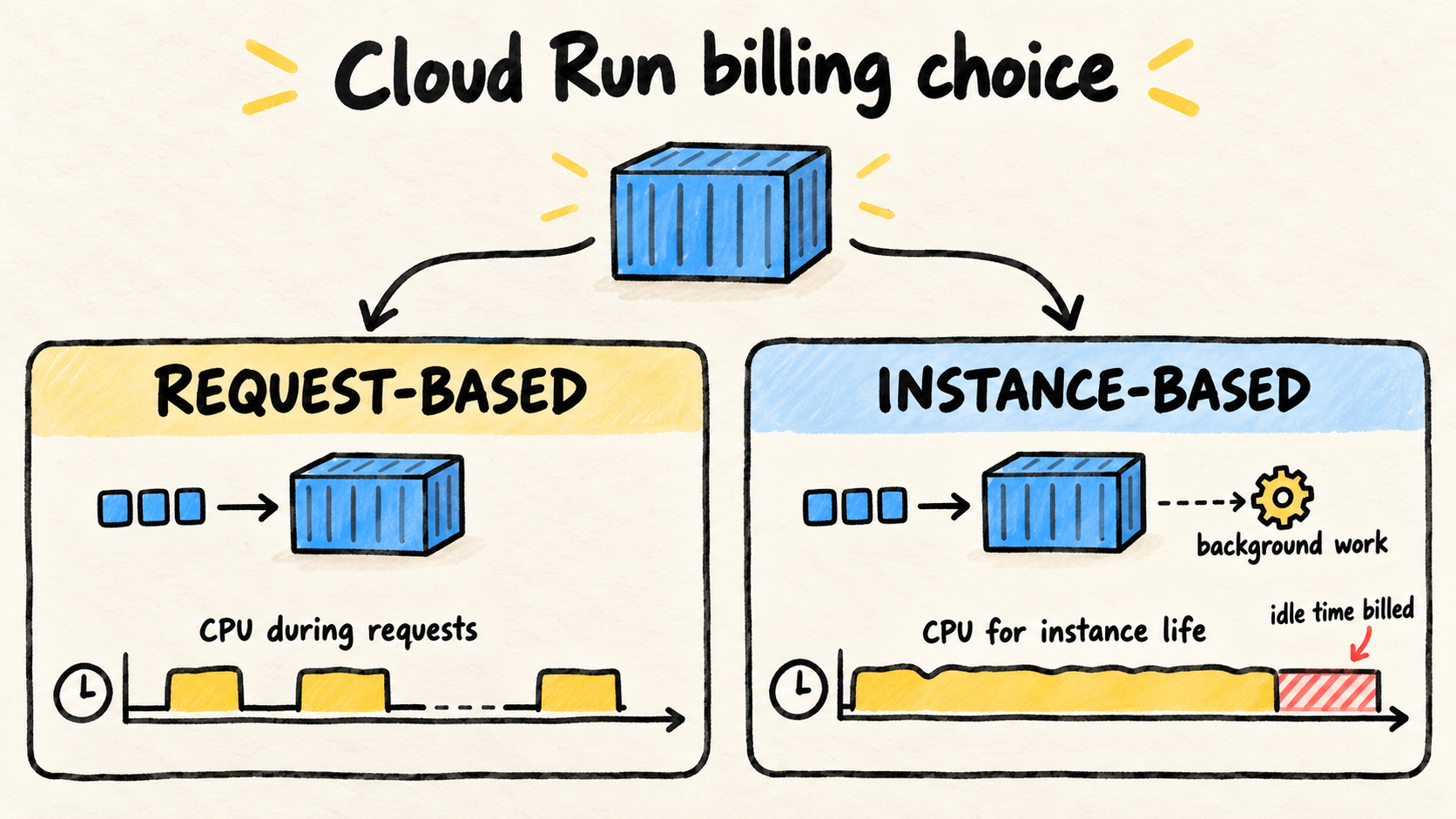
Compare request-based and instance-based Cloud Run billing. Choose by workload lifecycle, traffic, background CPU, and verification.
|
I'm Samuel Fajreldines I am a specialist in the entire JavaScript and TypeScript ecosystem (including Node.js, React, Angular and Vue.js) I am expert in AI and in creating AI integrated solutions I am expert in DevOps and Serverless Architecture (AWS, Google Cloud and Azure) I am expert in PHP and its frameworks (such as Codeigniter and Laravel). |
|
Samuel Fajreldines I am a specialist in the entire JavaScript and TypeScript ecosystem (including Node.js, React, Angular and Vue.js) I am expert in AI and in creating AI integrated solutions I am expert in DevOps and Serverless Architecture (AWS, Google Cloud and Azure) I am expert in PHP and its frameworks (such as Codeigniter and Laravel).
|
19 articles · practical guides & tutorials by Samuel Fajreldines
In-depth DevOps & Cloud articles, hands-on guides and tutorials by Samuel Fajreldines — 19 expert posts on DevOps & Cloud for software engineers.
Compare request-based and instance-based Cloud Run billing. Choose by workload lifecycle, traffic, background CPU, and verification.
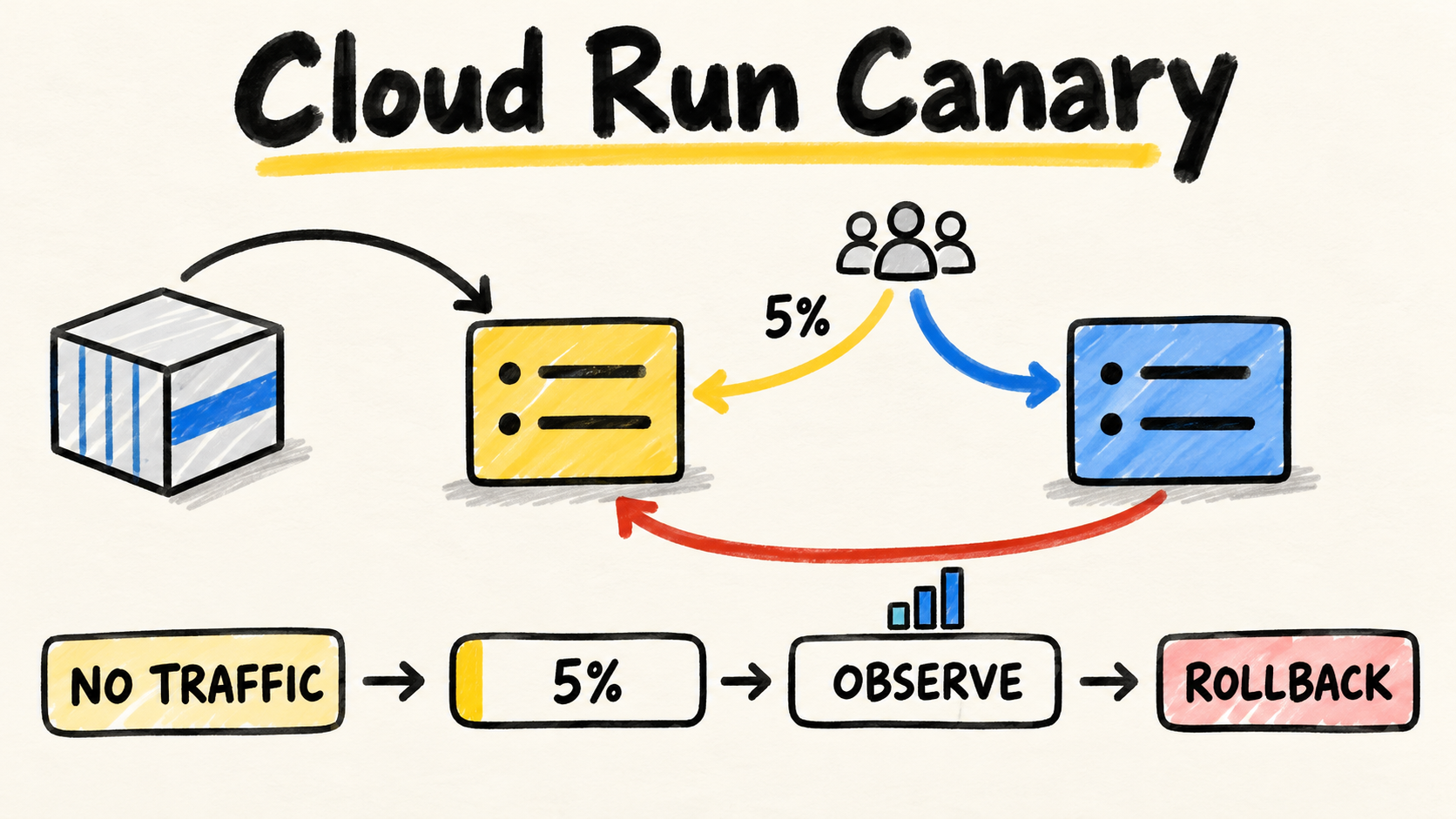
Learn how to test a new Cloud Run revision from a tagged URL, release a small share of traffic, watch useful signals, and roll back the change safely.
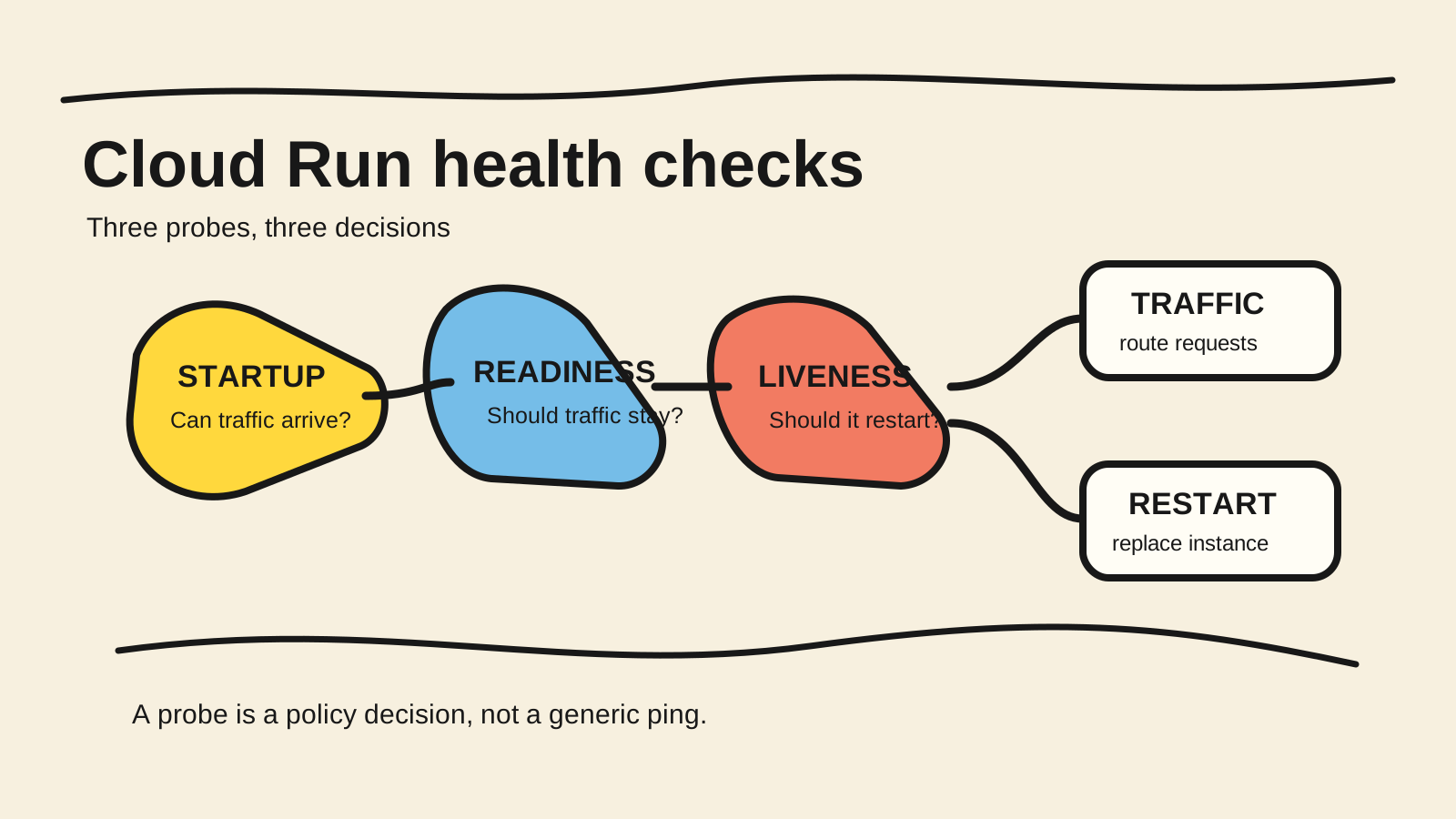
Choose Cloud Run startup, liveness, and readiness probes by the state they protect. See failure modes and revision checks before you deploy to production.
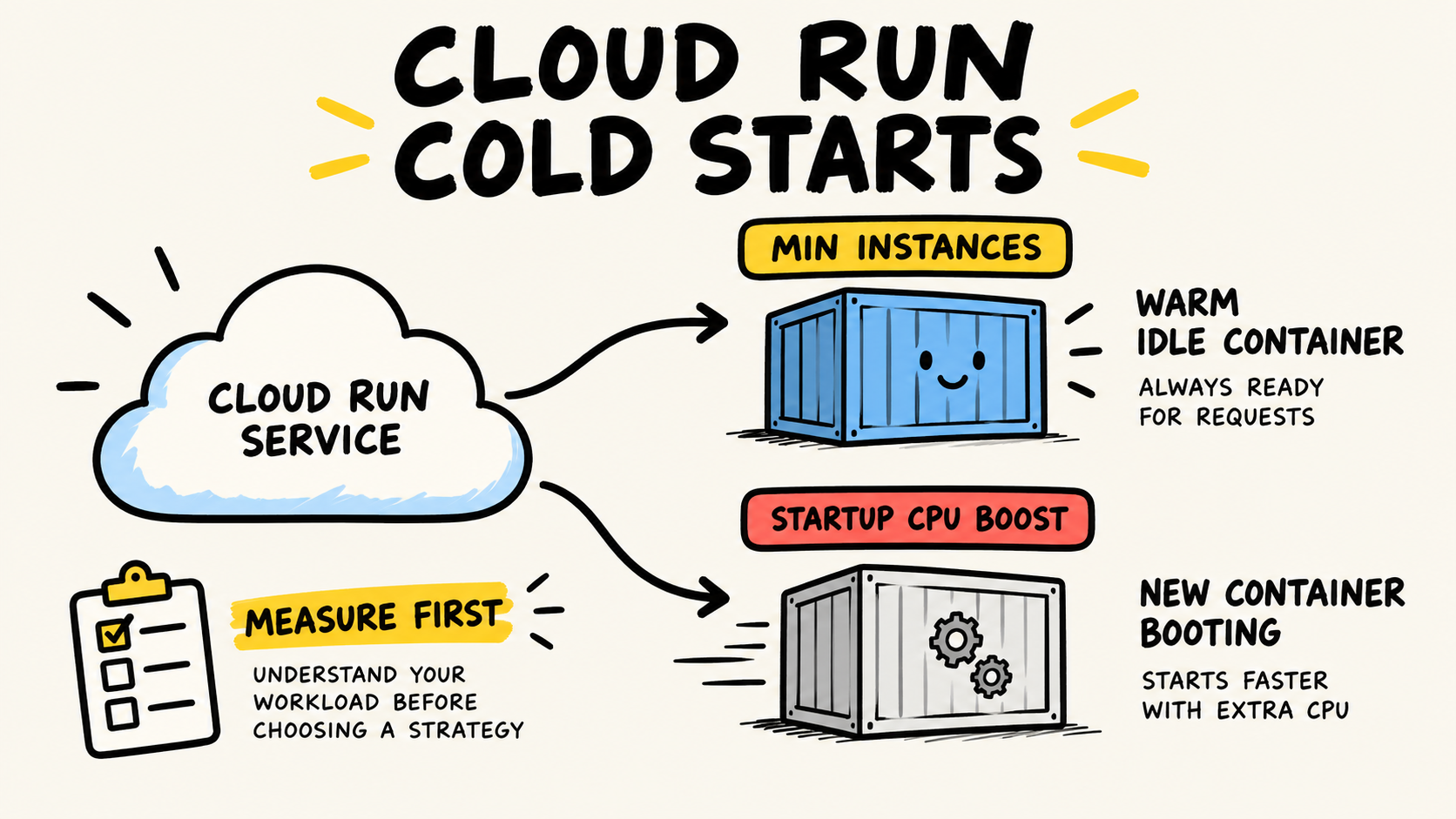
Separate cold start, pending time, and user execution in Cloud Run. Compare min instances, CPU boost, and container tuning before paying for idle capacity.
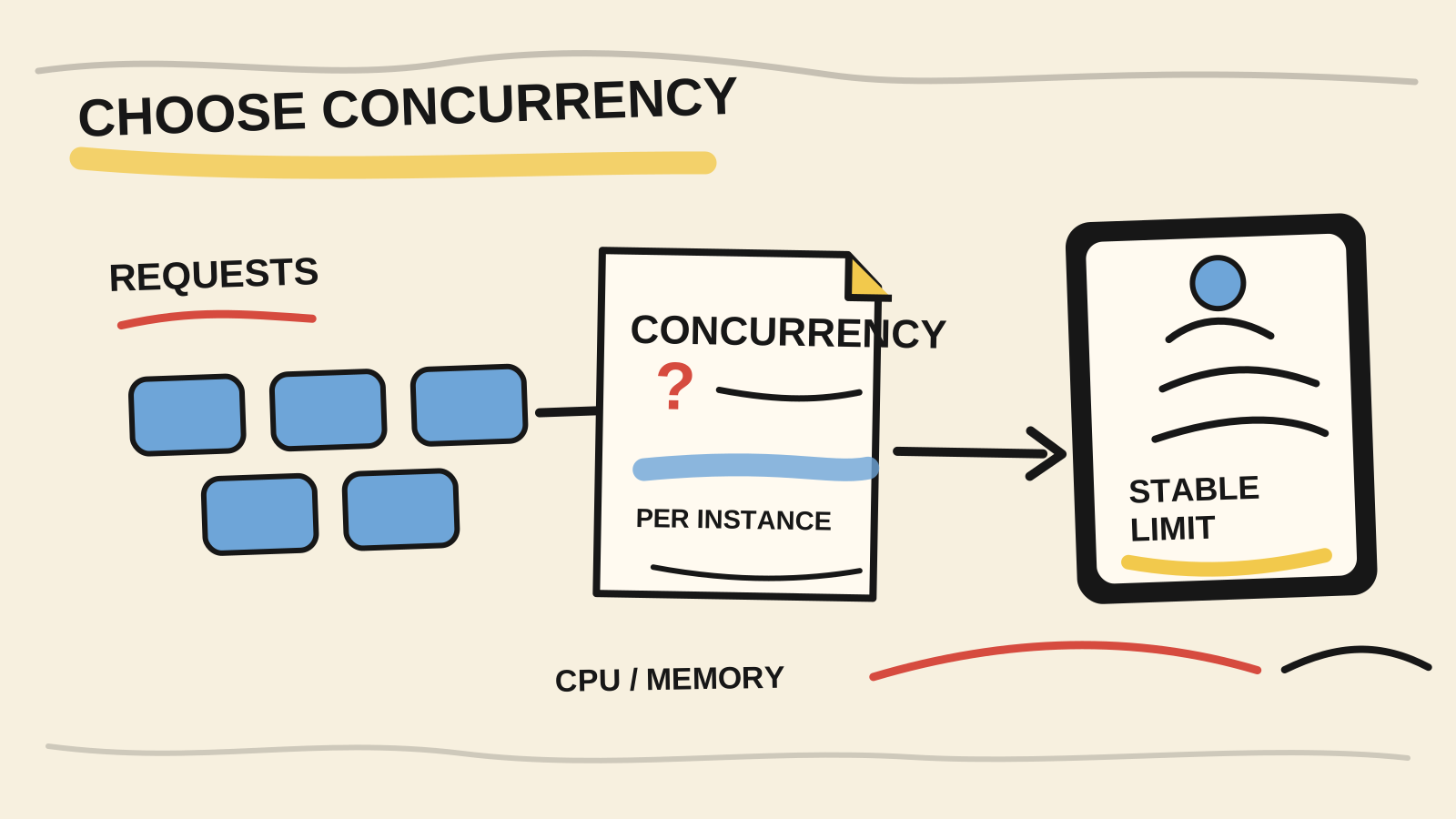
Choose Cloud Run concurrency with CPU, memory, Node.js, and database limits in mind. The default is 80: load test it, then tune toward a stable limit.
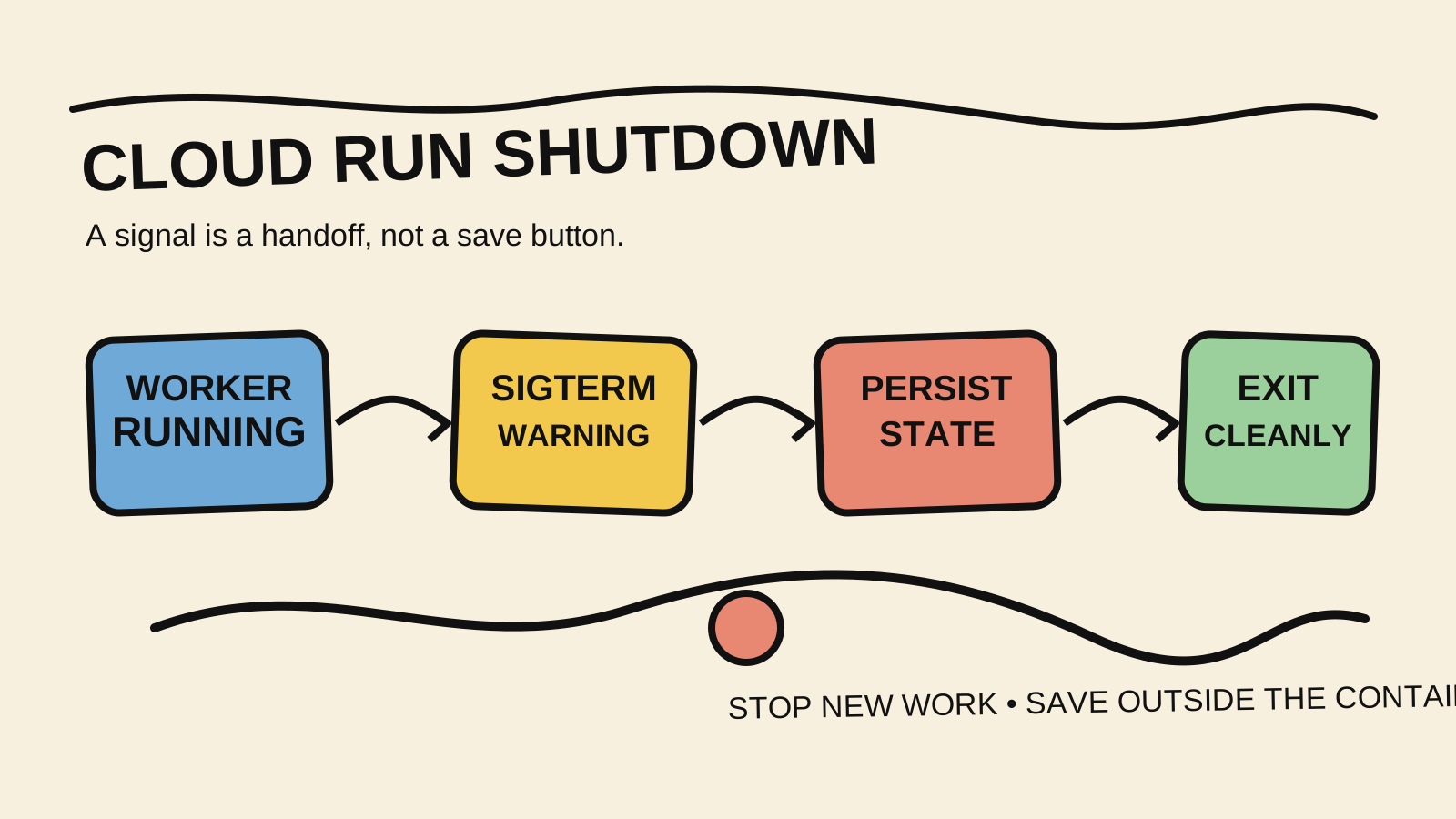
Handle SIGTERM in Cloud Run without losing work: stop new tasks, persist state outside the container, and test the worker before 10 seconds run out in CI.
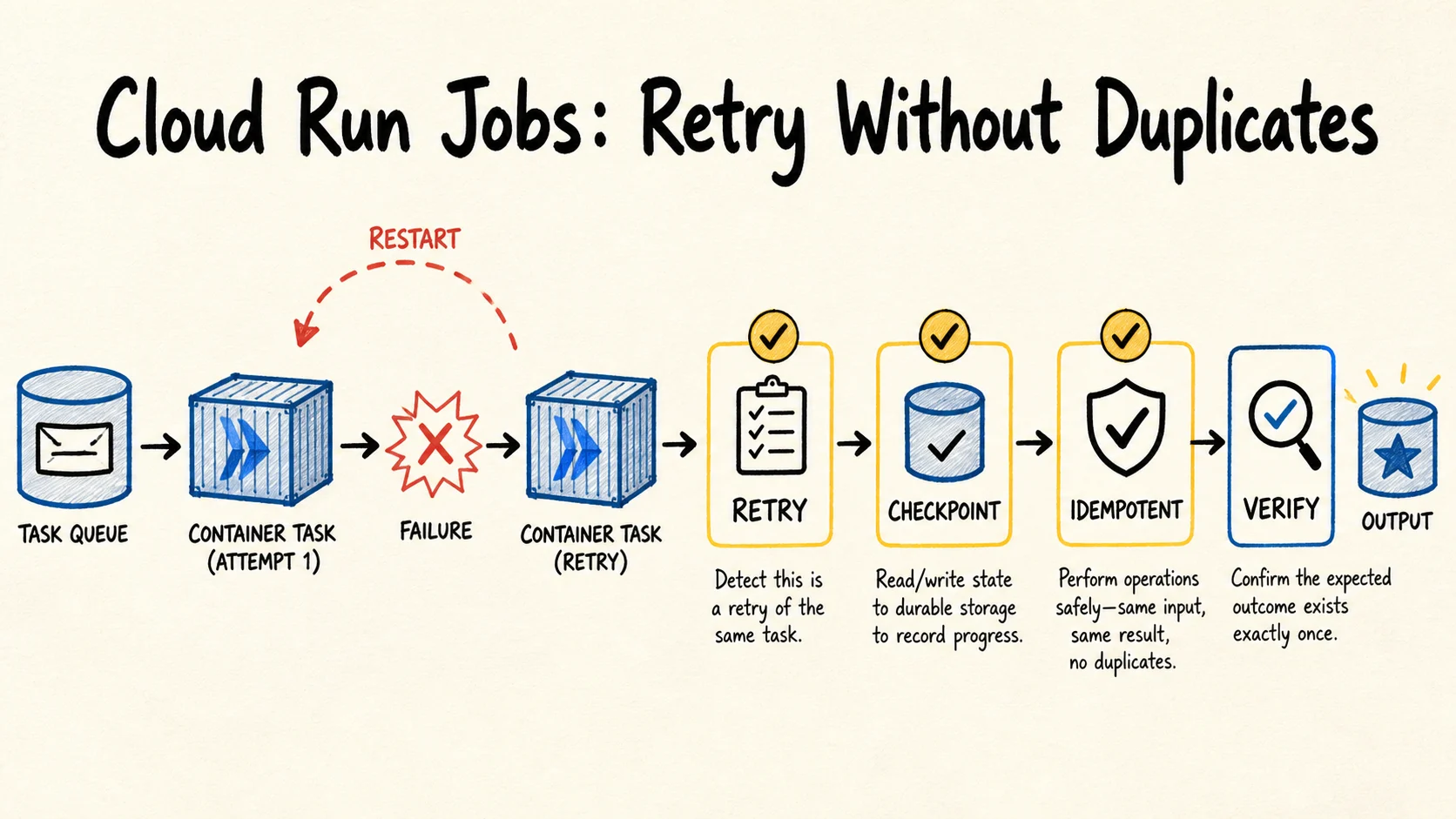
Cloud Run Jobs can retry each task up to 3 times. Learn to save checkpoints, make output idempotent, and verify reruns before production safely.
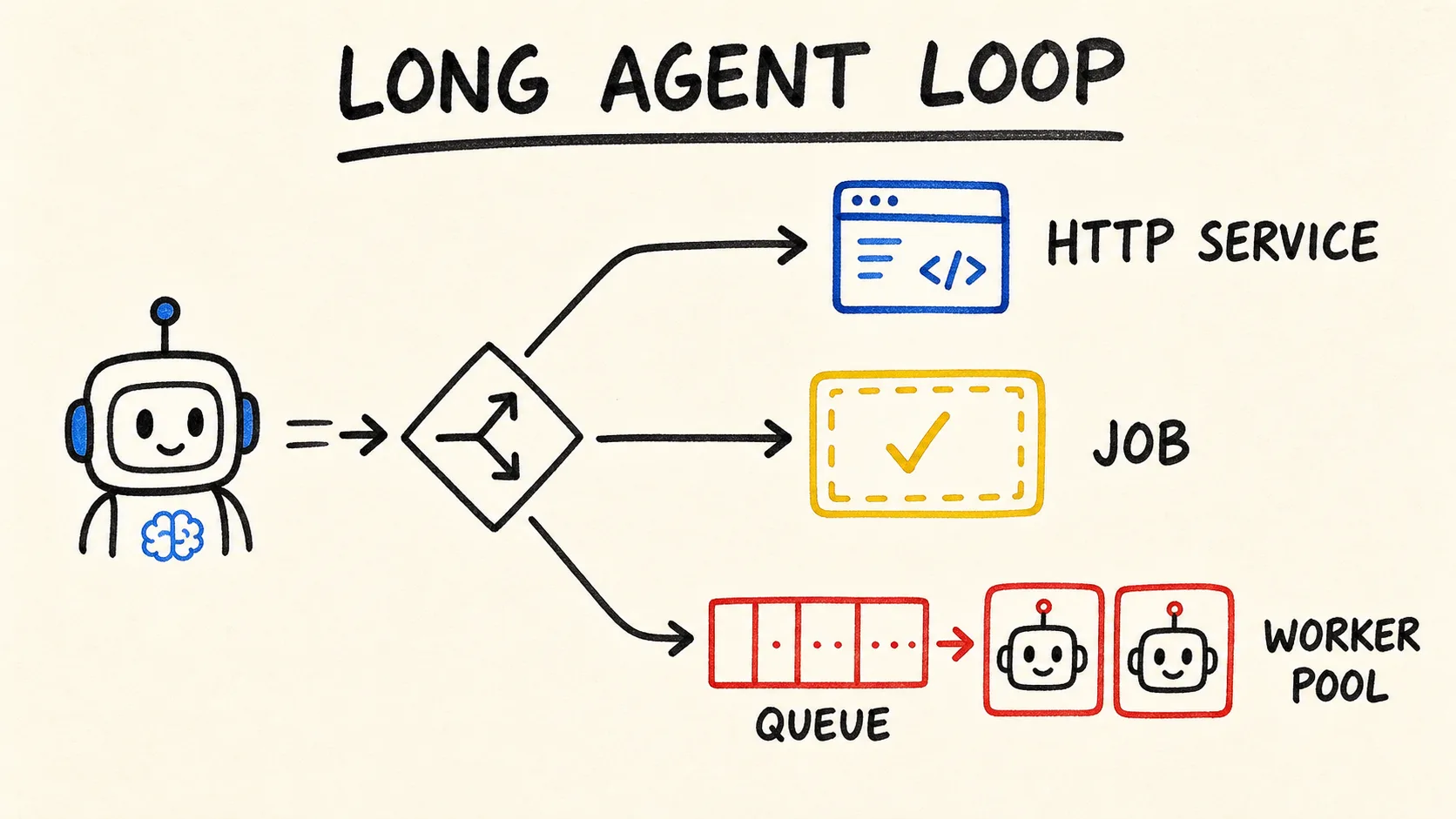
Compare Cloud Run Service, Job, and worker pool for long-running AI agents. See state, queues, IAM, deployment, and verification.
Learn why specifying version numbers in Docker and package managers can make or break your project's reliability, security, and scalability.

Discover how to harness Terraform for seamless infrastructure management across Google Cloud and AWS, unlocking multi-cloud advantages, scaling opportunities,…

Learn how to implement Continuous Integration using GitLab CI in your Node.js projects. This comprehensive guide covers everything from the basics to advanced…

Learn how to build scalable, cost-effective serverless data processing pipelines using Google Cloud Run.

Discover how to set up a robust CI/CD pipeline using Docker and AWS services to accelerate software delivery and improve reliability.
Learn how to design and deploy resilient microservices using AWS and Docker to achieve scalability and high availability in modern applications.

Explore the emerging trends in serverless computing for 2025 and how they are set to revolutionize the software engineering landscape.

Discover the importance of health checks in cloud computing, how to implement them, and explore the best tools available in Google Cloud and AWS for optimal…
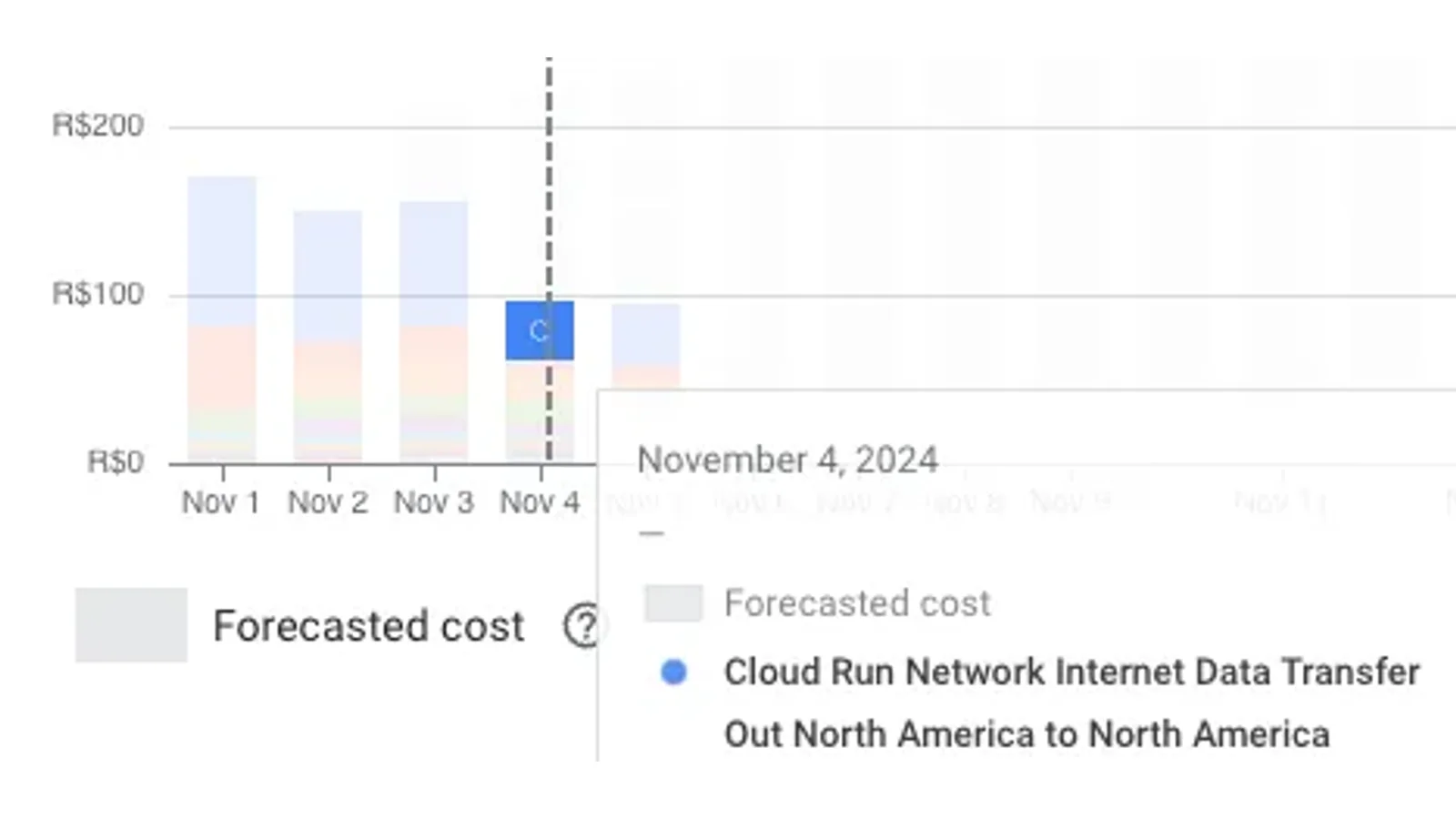
Discover how Google Cloud Run's support for multiple containers can reduce internet data transfer billing and enhance application efficiency using Node.js and…
Learn how to deploy and manage containerized applications with Google Cloud Run, a serverless platform that simplifies your development workflow.
Discover how to leverage Serverless Architecture using Node.js and AWS Lambda to build scalable and efficient applications.